
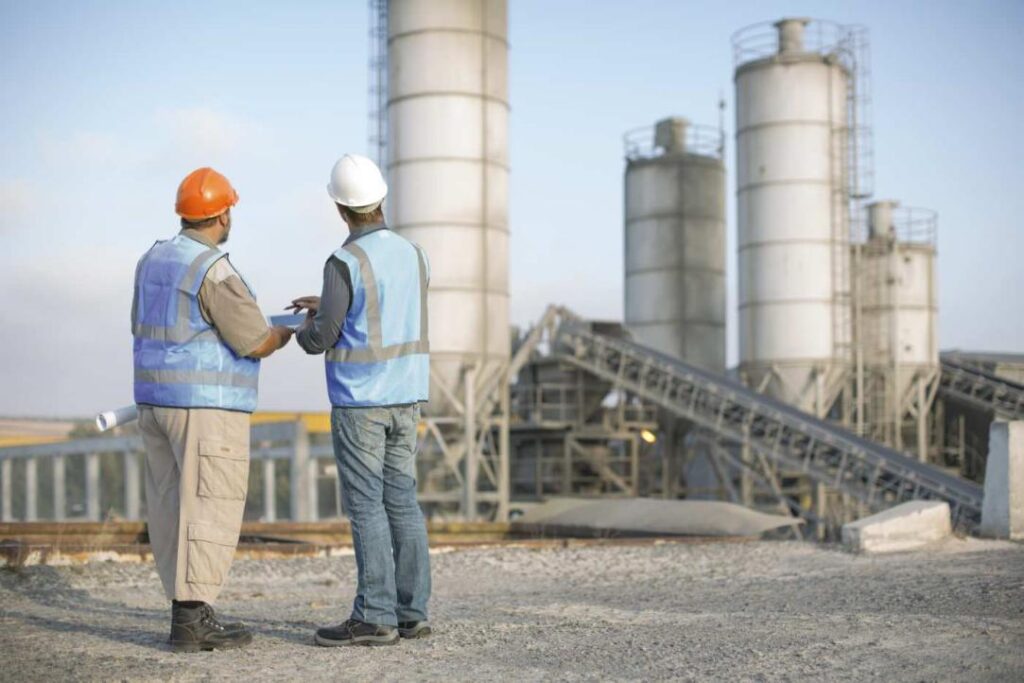
Introduction: The Vital Tapestry of Industry
Industry is more than a sector of the economy—it is the cornerstone of societal progress. It shapes cities, fuels economies, and defines the pace of human development. From raw material extraction to high-tech innovation, industry encapsulates the complex mechanisms that keep nations running and evolving. As the world becomes more interconnected and technologically driven, the concept of industry continues to shift, revealing both immense potential and pressing challenges. Understanding this vast and multifaceted domain is key to appreciating the forces that drive the world forward.
A Brief Evolution: From Craftsmanship to Automation
The origins of industry trace back to early human civilization when small-scale craftsmanship dominated production. Artisans made tools, garments, and goods by hand, primarily for local consumption. This model sustained communities for centuries until the seismic shift of the Industrial Revolution in the late 18th century.
Key phases in industrial evolution include:
-
The First Industrial Revolution: Introduced mechanized production powered by steam and water
-
The Second Industrial Revolution: Brought electricity, assembly lines, and mass manufacturing
-
The Third Industrial Revolution: Marked by computerization and automation
-
The Fourth Industrial Revolution (Industry 4.0): Characterized by artificial intelligence, robotics, and digital connectivity
Each era expanded industrial capabilities while reshaping labor markets, societal structures, and geopolitical influence.
Core Pillars of the Modern Industry
Industry today spans multiple interconnected domains, each playing a distinctive role in the global economy. While manufacturing often dominates the discourse, the industrial world includes a wide range of sectors.
1. Manufacturing and Engineering
This includes automotive, electronics, machinery, textiles, and construction. Manufacturing remains a key employer and exporter, especially in emerging economies.
2. Information Technology and Digital Services
Software development, cloud computing, and data infrastructure have transformed how industries operate. These digital systems now underpin logistics, production, and consumer engagement.
3. Energy and Utilities
This sector fuels all others, including traditional fossil fuel industries and emerging renewable energy providers such as solar, wind, and hydroelectric power.
4. Health and Biotechnology
Medical equipment, pharmaceutical production, and biotech innovation have created a dynamic industrial niche focused on improving quality of life and responding to global health crises.
5. Creative and Cultural Industries
Fashion, media, film, and digital content production represent a blend of artistry and industrial efficiency, driving both cultural export and significant revenue streams.
The Digital Paradigm Shift: Smart Industry
The rise of Industry 4.0 is a defining feature of today’s industrial landscape. This transformation is driven by technological advancements that seamlessly integrate the physical and digital worlds.
Key technologies include:
-
Internet of Things (IoT): Connecting machines and systems for real-time data exchange
-
Artificial Intelligence and Machine Learning: Enhancing automation, quality control, and predictive maintenance
-
Additive Manufacturing (3D Printing): Enabling rapid prototyping and on-demand production
-
Cloud Computing: Allowing global collaboration and data scalability
-
Cyber-Physical Systems: Integrating computation with industrial operations for smarter performance
These innovations improve productivity, reduce waste, and allow unprecedented agility in responding to market demands.
Globalization and Industry: A Delicate Interplay
Industry thrives in a globally connected world. Today’s supply chains stretch across continents, with raw materials, components, and finished products often crossing multiple borders before reaching the consumer. This global network enhances efficiency and specialization but also introduces vulnerabilities.
Key implications of globalization include:
-
Increased competition: Firms must continuously innovate to remain relevant
-
Supply chain interdependence: Disruptions in one region can have cascading effects worldwide
-
Standardization and compliance: Industries must navigate international regulations and quality expectations
-
Opportunities for growth: Emerging markets gain access to capital, technology, and jobs
Globalization has made industry more efficient, but also more sensitive to geopolitical shifts and natural disruptions.
Sustainability and the Green Industrial Shift
With increasing environmental awareness, industries are being challenged to adopt more sustainable practices. Climate change, pollution, and resource scarcity are no longer abstract concerns—they are material risks that affect profitability and longevity.
Sustainable industrial strategies include:
-
Transitioning to renewable energy sources
-
Implementing circular economy models
-
Reducing carbon footprints through efficiency and innovation
-
Investing in sustainable product design and packaging
-
Ensuring ethical labor and sourcing practices
Sustainability is no longer optional; it is becoming a competitive edge and a societal expectation.
The Human Side of Industry: Labor and Innovation
While automation garners headlines, people remain at the heart of industry. The nature of work is evolving, with emphasis shifting from repetitive tasks to complex, creative, and strategic roles. Workers must adapt to a more digital and dynamic environment.
Key workforce trends include:
-
Reskilling and lifelong learning programs
-
Greater demand for STEM and technical education
-
Emphasis on soft skills such as collaboration, adaptability, and critical thinking
-
Diversity, equity, and inclusion initiatives within industrial organizations
-
Remote work and hybrid workforce structures
Human capital is an essential asset, and the success of any industrial transformation depends on empowering workers with the right tools and training.
Future Outlook: Challenges and Opportunities
As industry propels forward, it faces a series of complex, interrelated challenges:
-
Technological obsolescence threatens firms that fail to innovate
-
Cybersecurity risks escalate with greater digitization
-
Supply chain fragility becomes a recurring concern
-
Environmental pressures demand meaningful action
-
Talent shortages persist in many high-skill industrial roles
However, these challenges also bring immense opportunities. Industry is not static; it is a space of continual reinvention. Those who invest wisely in innovation, sustainability, and human capital will define the future landscape.
Conclusion: Industry as the Blueprint of Progress
Industry is more than machinery, more than profit, more than policy. It is the active blueprint of human ambition—a complex and evolving force that embodies the creativity, resilience, and resourcefulness of modern civilization. As we stand at the edge of a new industrial epoch, the question is not whether industry will change, but how society will guide that change. Through thoughtful leadership, responsible innovation, and a commitment to sustainability, industry can continue to be the engine that drives us—not only toward prosperity, but toward a more intelligent, inclusive, and resilient future.