
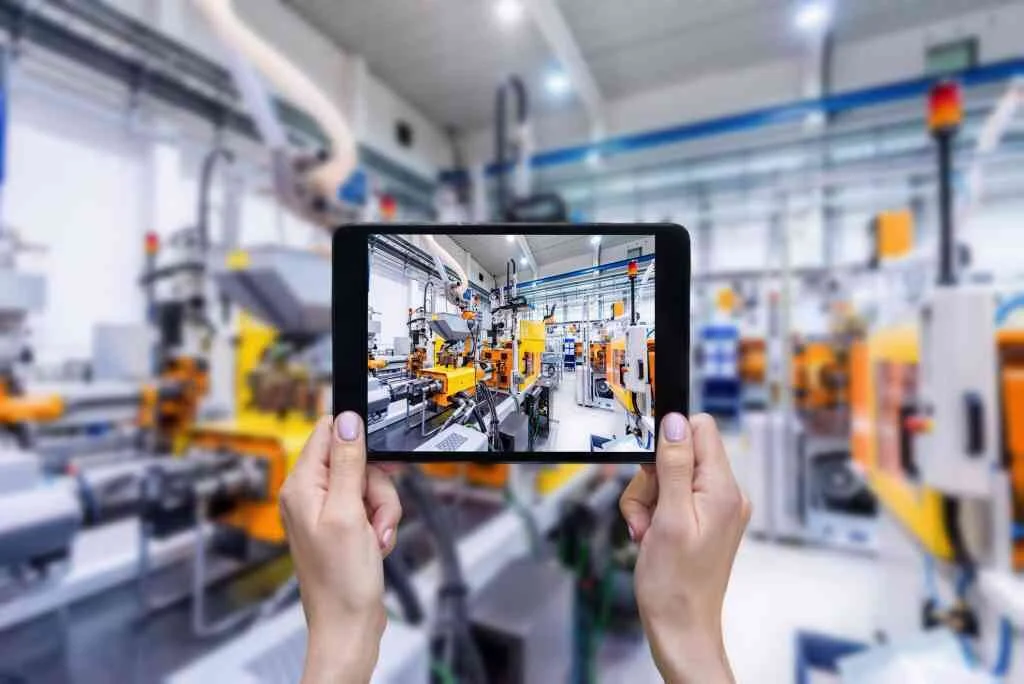
The management of large buildings is becoming more complex. From towering office blocks in Bangkok’s central business district to sprawling new shopping centres, the need for efficient, centralised control is clear. This is where integrated automation is changing how structures operate. It brings together different systems like heating, ventilation, air conditioning (HVAC), lighting, and security into a single, cohesive platform.
This unification allows for smarter, more responsive building management. Instead of separate teams managing individual systems, a single interface can monitor and adjust everything. For property owners and facility managers in Thailand, partnering with a knowledgeable building automation control company can lead to significant improvements. These systems use real-time data to make intelligent decisions, optimising performance and enhancing the experience for everyone inside.
The benefits extend beyond simple convenience. Integrated automation creates buildings that are more energy-efficient, secure, and comfortable. Imagine a building that automatically adjusts its air conditioning based on occupancy levels and the time of day, or dims lights in unused areas. This level of control was once considered futuristic, but it is now a practical reality that offers substantial operational savings.
Smarter Buildings for a Greener Thailand
Energy consumption is a major concern for building operators. In a tropical climate like Thailand’s, air conditioning accounts for a large portion of a building’s energy use. An integrated Building Management System (BMS) directly addresses this by ensuring that cooling systems run only when and where they are needed. Sensors can detect which rooms are occupied, allowing the system to cool those spaces while reducing power to empty ones.
This intelligent approach goes beyond HVAC. Lighting systems can be programmed to work with natural daylight, dimming artificial lights when sunlight is sufficient. This not only cuts down on electricity bills but also supports Thailand’s goals for sustainability. By making buildings more energy-efficient, integrated automation helps reduce the overall carbon footprint of urban developments.
Enhancing Security and Safety
A unified system also greatly improves a building’s security. Access control, CCTV cameras, and fire alarm systems can all be linked together. In an emergency, an integrated system can automatically unlock emergency exits, shut down ventilation to prevent smoke from spreading, and provide first responders with precise information about the incident’s location.
This centralised command centre gives security personnel a complete overview of the property. Any unusual activity can be flagged instantly, allowing for a faster response. For large residential complexes or commercial properties, this provides residents and tenants with greater peace of mind, knowing that a smart and responsive system is in place to protect them. The future of building management is here, and it is intelligent, efficient, and interconnected.