
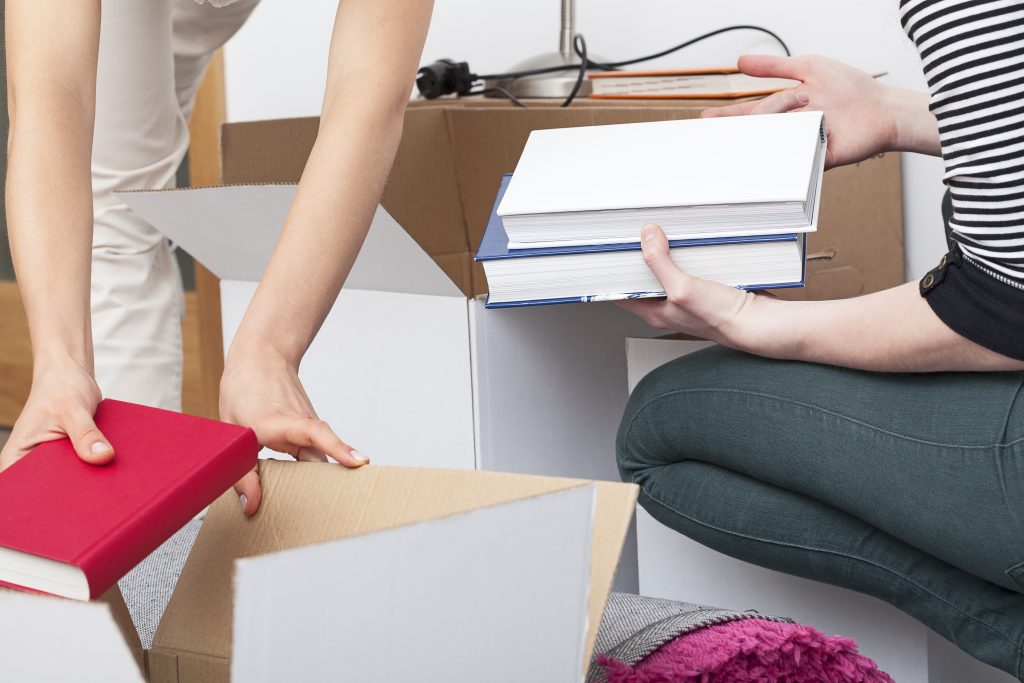
Relocating a library is a complex task, but when the collection includes rare or fragile items, the challenges become even more significant. Careful planning and the use of appropriate strategies are crucial to ensure these valuable materials are preserved during the transition. Whether you’re moving a public library, special collection, or academic archive, these essential tips will help safeguard your rare materials.
Perform a Detailed Inventory
Before the relocation begins, conduct a comprehensive inventory of your rare collection. Document each item’s condition, photographing them if possible, and ensure all catalog records are updated. This step not only helps monitor the status of your collection but also aids in identifying priorities and allocating resources effectively during the move.
Pack with Care
For items such as rare books, manuscripts, or artworks, the method of packing is vital:
- Books: Wrap each book individually in acid-free paper. Place them in sturdy, reinforced crates with spines facing down or supported vertically.
- Manuscripts and Loose Papers: Use archival folders and boxes resistant to moisture and physical damage. Layer these in acid-free materials to prevent shifting during transit.
- Fragile Items and Artwork: Bubble wrap can help, but for rare or highly valuable pieces, custom crates or padded cases are ideal. Double-boxing may provide an added layer of protection.
Ensure crates or boxes are clearly labeled so employees know which items require the most cautious handling.
Maintain Suitable Environmental Conditions
Rare collections are often highly sensitive to environmental changes. Maintaining consistent temperature and humidity levels is essential during the move. Use vehicles equipped with climate controls to prevent damage caused by excessive heat, cold, or moisture. Additionally, ensure proper ventilation to minimise the risk of mould or degradation.
Train Your Team
Investing in proper training is another crucial step. Those involved in handling rare items should understand the correct techniques for packing, lifting, and securing materials. This avoids accidental mishandling during the process.
Alternatively, consider enlisting professional library relocation services with expertise in managing delicate and valuable collections. Experienced teams will have the equipment, processes, and knowledge to handle these complicated moves efficiently.
Plan Your Routes
Plan transportation routes in advance to avoid unexpected delays or hazards such as roadworks or extreme weather conditions. For extremely rare or high-value items, consider using secure, GPS-tracked vehicles. Should the transit involve long distances, identify safe overnight storage facilities that can maintain appropriate conditions.
Unpack Thoughtfully
Once the move is complete, unpack rare materials with the same level of care as the packing process. Inspect each item upon arrival for any potential damage or changes in condition. Ensure shelving and storage areas in the new location meet preservation standards, like sufficient shelving support and appropriate environmental controls.
Moving a library is always a challenging process, but with proper preparation and the right techniques, rare collections can be relocated with minimal risk. Whether handling the move internally or opting for specialised library relocation services, the focus should always remain on the long-term preservation of these invaluable materials. By prioritising care, accuracy, and protection during every stage of the move, libraries in Australia and beyond can ensure their treasured collections continue to educate and inspire for generations to come.