
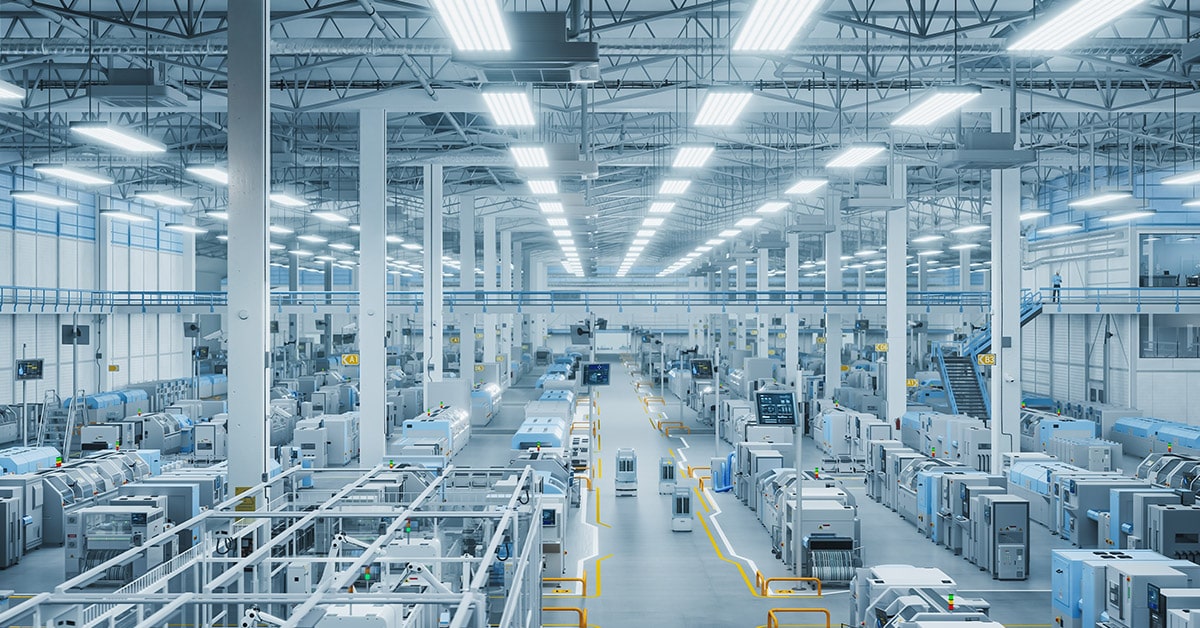
Introduction: The Pulse of Modern Civilization
Industry is more than a sector; it is the engine that drives civilization forward. From the smoky furnaces of the Industrial Revolution to the sleek, digitized manufacturing floors of today, industry reflects our capacity for innovation, problem-solving, and transformation. It has touched every aspect of life—redefining labor, reshaping cities, and reconfiguring global relations. Understanding the trajectory of industry offers insights not just into economics but into the very fabric of human progress.
The Origins of Industrialization: Sparks of Transformation
The term “industry” originally referred to diligent work, but it soon became synonymous with the mechanized production that emerged in 18th-century Britain. What began with textile mills and steam engines soon evolved into a global revolution. The First Industrial Revolution was characterized by mechanization and the rise of factories. It marked the transition from agrarian economies to ones based on mass production.
Key features of the early industrial era included:
-
The invention of the spinning jenny and power loom
-
The use of coal and steam as energy sources
-
The migration of workers from rural to urban areas
-
The establishment of large-scale manufacturing systems
This era was not without its costs. Labor was grueling, cities became overcrowded, and environmental degradation began to rear its head. Yet the foundation had been laid for an even more profound transformation.
The Second and Third Waves: Steel, Electricity, and Automation
The late 19th and early 20th centuries brought the Second Industrial Revolution, an age defined by steel, electricity, and the internal combustion engine. Industry expanded beyond textiles to encompass chemicals, railroads, and telecommunications. The assembly line—popularized by Henry Ford—revolutionized productivity. Mass production became not just possible but efficient.
As the 20th century progressed, the Third Industrial Revolution introduced electronics, computers, and automation. Factories became smarter. Robotics began to replace manual labor in hazardous or repetitive tasks. Globalization accelerated, and supply chains stretched across continents. The industry was no longer constrained by geography; it became a vast, interconnected web of processes and technologies.
The Fourth Industrial Revolution: A Digital Renaissance
Today, we stand at the threshold of what is often called the Fourth Industrial Revolution (4IR). It is a convergence of physical, digital, and biological systems. Technologies such as artificial intelligence, machine learning, the Internet of Things (IoT), and 3D printing are reshaping the industrial landscape.
Unlike past revolutions, which unfolded over decades, 4IR is happening in real-time and at an astonishing pace. Consider the following:
-
Smart factories powered by real-time data analytics
-
Predictive maintenance using AI algorithms
-
Hyper-customized production enabled by 3D printing
-
Blockchain for supply chain transparency and security
The implications are profound. Efficiency and speed have reached unprecedented levels. Yet challenges remain—particularly in workforce displacement and cybersecurity.
Industrial Sectors: A Diverse Ecosystem
The word “industry” encompasses a broad range of sectors, each with its own characteristics and dynamics. Some of the most influential include:
1. Manufacturing:
This traditional pillar remains vital, especially in the production of consumer goods, automobiles, and electronics. Despite automation, human skill and oversight remain indispensable.
2. Energy and Utilities:
From fossil fuels to renewable energy, this sector powers the rest. It is undergoing a significant transformation as the world shifts toward sustainability and decarbonization.
3. Technology and Telecommunications:
Once a support system for other industries, tech has become a standalone industrial force. Cloud computing, 5G, and quantum technologies are setting new benchmarks.
4. Healthcare and Biotechnology:
Advancements in medical research, pharmaceuticals, and genetic engineering are not only saving lives but also creating robust industrial ecosystems of their own.
5. Construction and Infrastructure:
As cities expand and modernize, the construction industry must balance tradition with innovation—embracing smart building techniques and sustainable materials.
Sustainability: The Next Industrial Mandate
One cannot discuss modern industry without confronting its environmental footprint. From carbon emissions to resource depletion, industrial processes have contributed significantly to the climate crisis. However, the tides are turning.
Today’s industrial leaders are adopting greener practices:
-
Transitioning to renewable energy sources
-
Implementing circular economy principles
-
Investing in carbon capture and storage
-
Prioritizing eco-friendly materials and packaging
Sustainability is no longer an afterthought—it’s a competitive advantage and a moral imperative.
The Human Element: Workers in a Changing Landscape
Amidst the technological marvels and global logistics, the human element remains central to the industry. While automation and AI are reshaping job roles, they are also creating new opportunities in data analysis, cybersecurity, and robotics maintenance.
To remain competitive, industrial sectors must prioritize:
-
Upskilling and reskilling the workforce
-
Creating equitable opportunities across demographics
-
Ensuring worker safety, mental health, and job satisfaction
Industry is not just about machines and output; it is about people. Their ingenuity, adaptability, and resilience are the true engines of progress.
Globalization and Geopolitics: An Interconnected Reality
No modern industry operates in isolation. Supply chains cross borders. Regulatory policies in one nation ripple across others. Trade agreements, tariffs, and even pandemics influence industrial output and strategy.
Consider how recent events have reshaped industry:
-
The COVID-19 pandemic accelerated digital adoption and exposed vulnerabilities in global supply chains.
-
The war in Ukraine impacted energy supplies and raw material sourcing.
-
Trade tensions have prompted many firms to pursue regionalization and nearshoring.
Resilience and flexibility have become just as important as efficiency.
Looking Ahead: The Future of Industry
What lies ahead for industry is a blend of promise and uncertainty. The integration of quantum computing, biotechnology, and nanotechnology will unlock capabilities we can scarcely imagine today. At the same time, ethical concerns—ranging from data privacy to job displacement—will demand vigilance and foresight.
Emerging trends to watch:
-
Collaborative robots (cobots) in factory settings
-
Industrial metaverse for virtual prototyping and simulation
-
Decentralized manufacturing using distributed ledger technologies
-
Greater synergy between public policy and private innovation
Conclusion: Industry as a Mirror of Humanity
To observe the evolution of industry is to observe humanity itself. Every leap forward—every cog turned, circuit wired, and code written—reflects our deepest aspirations: to build, to solve, to connect. While technology may define the tools of industry, it is the human spirit that defines its purpose. As we continue to navigate the complexities of modern life, industry will remain both a reflection of our collective journey and a beacon for what lies ahead.