
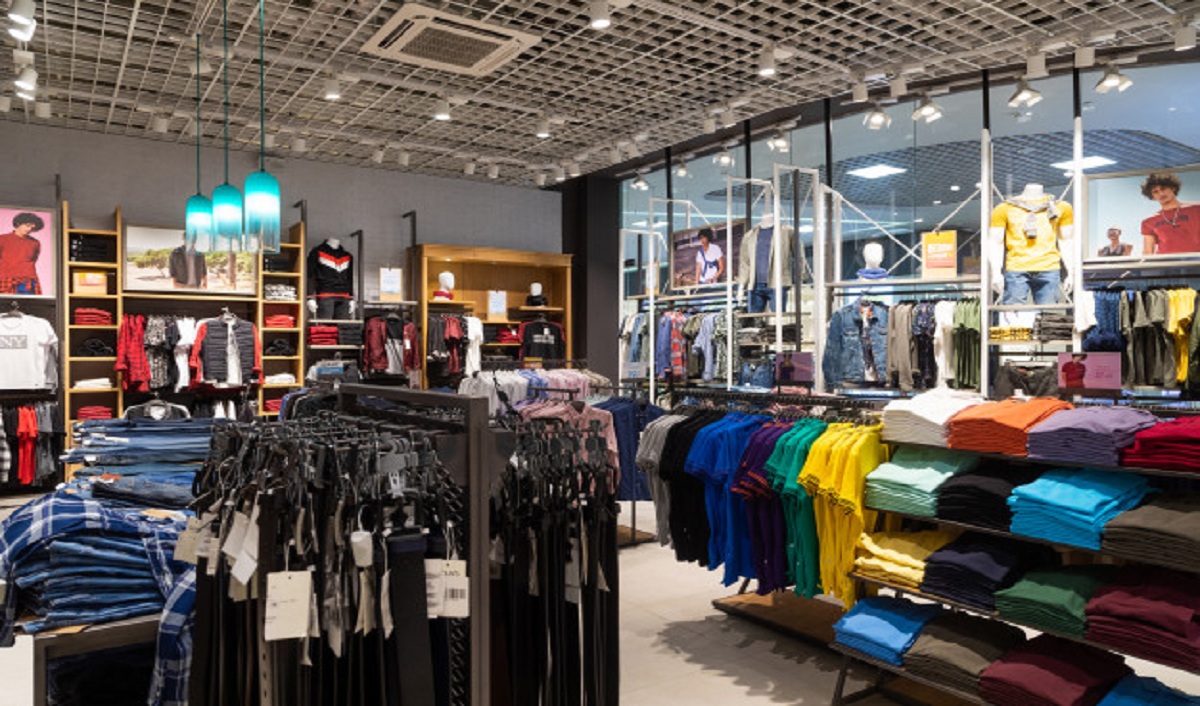
Introduction: The Changing Face of Retail
Retailers are the final bridge between producers and consumers—a crucial link that has shaped commerce for centuries. From small market stalls and general stores to sprawling malls and high-tech e-commerce giants, retailers have consistently adapted to social trends, technological innovations, and economic shifts. In today’s globalized marketplace, the role of the retailer is evolving rapidly. Consumers no longer shop merely for goods—they seek experiences, values, and convenience. The modern retailer is not simply a seller but a curator of customer relationships, a master of inventory, and a storyteller in the age of digital immediacy.
A Brief History: From Counter to Click
The origins of retail trace back to ancient civilizations where trade was conducted through barter and open markets. As societies urbanized, formalized retail outlets emerged. The 19th and 20th centuries saw the rise of department stores, followed by supermarkets, shopping malls, and discount outlets.
However, the 21st century heralded a paradigm shift. The advent of the internet and the proliferation of smartphones ushered in e-commerce, transforming the way consumers browse, compare, and purchase. Giants like Amazon, Alibaba, and Shopify redefined accessibility, inventory management, and customer engagement, challenging traditional brick-and-mortar models to innovate or risk obsolescence.
Types of Retailers in Today’s Marketplace
Modern retail is diverse, encompassing a wide array of formats and business models. Each type caters to distinct consumer needs and preferences:
-
Brick-and-Mortar Stores: Traditional physical outlets ranging from boutiques to hypermarkets
-
E-Commerce Retailers: Online platforms that offer convenience and often lower overhead costs
-
Omnichannel Retailers: Brands that integrate physical and digital channels for seamless customer experiences
-
Pop-Up Shops: Temporary retail spaces used for promotions, testing markets, or seasonal sales
-
Direct-to-Consumer (DTC): Brands that bypass intermediaries to engage directly with customers via online platforms
-
Franchises: Independently owned outlets operating under a parent brand, offering consistency with localized management
This diversity allows consumers to engage with products on their own terms—whether through browsing in-store or placing an order from the comfort of home.
The Digital Transformation of Retail
Perhaps the most significant transformation in retailing over the past two decades is digitalization. Retailers are leveraging technology not just to sell, but to connect and personalize. Some key developments include:
-
AI and Machine Learning: Personalized recommendations, dynamic pricing, and inventory forecasting
-
Augmented Reality (AR): Virtual try-ons and in-home product previews that enhance buyer confidence
-
Mobile Commerce: Apps and mobile-optimized websites that simplify the shopping journey
-
Chatbots and Virtual Assistants: Enhancing customer service with 24/7 instant support
-
Data Analytics: Leveraging purchase behavior and browsing patterns to fine-tune marketing strategies
This tech-powered approach creates a smoother, more intuitive consumer experience, while providing retailers with powerful tools to optimize operations and strategy.
Customer Experience: The New Battleground
In today’s saturated market, products are often similar, and pricing can only be lowered so far. What sets successful retailers apart is the customer experience. The journey from interest to purchase, and the post-sale service, are now seen as extensions of the product itself.
To remain competitive, retailers are focusing on:
-
Personalization: Tailored product suggestions, email marketing, and curated shopping paths
-
Speed and Convenience: Fast delivery options, click-and-collect services, and streamlined returns
-
Emotional Connection: Engaging storytelling, social responsibility, and brand authenticity
-
Loyalty Programs: Rewarding repeat customers with exclusive deals and recognition
Brands that invest in these areas not only retain customers—they cultivate advocates who spread word-of-mouth and bolster brand equity.
Retailers and Sustainability: A Rising Priority
As consumers become more conscious of environmental and social issues, retailers are under growing pressure to demonstrate responsibility. Sustainability is no longer a niche—it’s a necessity.
Forward-thinking retailers are:
-
Reducing Waste: Minimizing packaging, optimizing supply chains, and offering recycling programs
-
Sourcing Responsibly: Partnering with ethical suppliers and supporting fair trade practices
-
Promoting Circular Economy: Encouraging product repair, resale, and reuse
-
Transparency: Providing clear information about sourcing, production, and impact
Consumers are increasingly willing to pay a premium for brands that align with their values, making sustainability a powerful differentiator.
Challenges Retailers Face Today
Despite the opportunities, modern retail is fraught with challenges. Rising competition, rapidly changing consumer behavior, and unpredictable supply chains make adaptation essential.
Key hurdles include:
-
Digital Disruption: Traditional retailers must continuously update their technology and strategy
-
Global Supply Chain Volatility: Geopolitical events and environmental crises affect inventory and pricing
-
Cybersecurity Risks: As more transactions occur online, data protection becomes critical
-
Labor Shortages: Especially in physical retail, where customer service is a differentiating factor
To navigate these challenges, retailers must stay agile—embracing innovation while staying true to their core values.
The Future of Retail: Personal, Immersive, and Adaptive
Looking ahead, the future of retail lies in immersive experiences and adaptive systems. Stores may become showrooms, service centers, or brand theatres—places not just to buy, but to interact and connect.
Emerging trends include:
-
Virtual Stores and the Metaverse: Exploring shopping in 3D virtual environments
-
Subscription-Based Models: Curated deliveries based on preferences and needs
-
Voice Commerce: Enabling shopping through smart assistants like Alexa and Siri
-
Hyper-Personalization: AI that anticipates consumer needs before they are expressed
Retailers that understand and embrace these shifts will not only survive—they will define the next era of commerce.
Conclusion: The Retailer as Innovator and Custodian
Retailers today are more than intermediaries; they are innovators, curators, and custodians of brand identity. In a landscape marked by disruption and digital acceleration, their ability to adapt, empathize, and deliver value in new ways defines their success.
While technology shapes the infrastructure, it is human insight that guides its application. The most impactful retailers will be those who balance efficiency with empathy, innovation with authenticity. They will listen more closely, personalize more thoughtfully, and build relationships—not just transactions.
In the ever-changing theatre of commerce, the retailer remains a central character—evolving with the script, yet always connecting people with the products, experiences, and values they seek.