
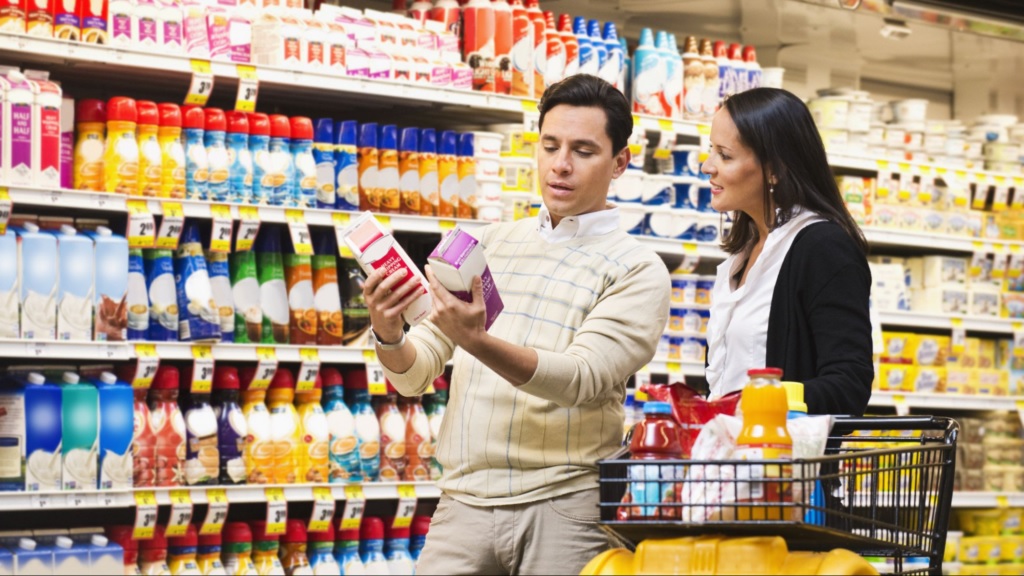
In the grand theater of commerce, retailers are the skilled intermediaries who connect producers with consumers, transforming transactions into experiences and goods into gratification. While manufacturing may be the birthplace of products, it is through retailers that these goods find their way into the hands, homes, and habits of everyday people. Their role is both strategic and subtle—shaping economies, influencing trends, and constantly evolving to meet the shifting expectations of the modern buyer.
Retailing is no longer confined to the bustling aisles of department stores or the polished counters of boutique shops. It has expanded into a multidimensional, often borderless, environment where brick-and-mortar meets algorithms, and personalization is as essential as pricing. To understand the role of the modern retailer is to grasp the pulse of today’s global consumer culture.
Defining the Retail Landscape
A retailer is any entity that sells goods or services directly to the end consumer for personal use. The scope of retailing includes everything from global supermarket chains and luxury fashion houses to independent artisans selling through Instagram or weekend markets. The diversity is staggering, yet all retailers share one common goal: satisfying consumer demand in a timely, convenient, and appealing manner.
Modern retailing operates at the intersection of logistics, technology, psychology, and marketing. It is not just about selling; it is about curating, guiding, and enhancing the purchasing journey.
Types of Retailers in Today’s Market
Retailers come in many forms, each with distinct operational models and customer dynamics. Understanding these categories is essential to appreciating the full spectrum of modern retail.
1. Brick-and-Mortar Retailers
These are traditional physical stores where customers walk in, browse, touch, and buy. Despite the surge in e-commerce, physical retail remains vital, especially in sectors where sensory experience or instant gratification matters.
-
Department stores (e.g., Macy’s, Selfridges)
-
Grocery chains and supermarkets
-
Specialty boutiques and pop-up shops
-
Convenience stores and pharmacies
What distinguishes these retailers is the importance of ambiance, physical merchandising, and human interaction.
2. E-Commerce Retailers
Online retailers sell directly to consumers through digital platforms. They have revolutionized shopping by offering unparalleled convenience, broader inventory, and dynamic pricing.
-
Pure-play e-tailers like Amazon and ASOS
-
Brand-owned e-commerce sites
-
Online marketplaces like Etsy or eBay
These retailers rely heavily on user experience, website optimization, digital marketing, and logistics efficiency to attract and retain customers.
3. Omnichannel Retailers
An increasingly dominant model, omnichannel retailers integrate physical and digital retail channels to provide a seamless, personalized customer experience.
-
Buy online, pick up in-store (BOPIS)
-
Mobile app browsing with in-store consultation
-
Loyalty programs that span online and offline purchases
Retailers in this space prioritize consistency, convenience, and flexibility—key factors in today’s competitive landscape.
4. Direct-to-Consumer (DTC) Retailers
These brands bypass traditional retail intermediaries and sell directly to consumers via their own channels, often online.
-
Brands like Warby Parker, Glossier, and Allbirds
-
Subscription box models such as Dollar Shave Club or FabFitFun
This model fosters a stronger brand-consumer relationship, allowing for deeper storytelling, better data collection, and tailored customer experiences.
The Evolution of the Retailer’s Role
Gone are the days when a retailer’s success depended solely on foot traffic and inventory management. Today’s retailers are customer-experience architects, data analysts, social media strategists, and cultural trendsetters. Their responsibilities extend beyond the transactional into the transformational.
Several trends have influenced this evolution:
-
Digital Transformation: The shift to online platforms and mobile shopping has pushed retailers to invest in digital infrastructure, from e-commerce websites to AI-powered chatbots and virtual fitting rooms.
-
Consumer Empowerment: With access to reviews, comparison tools, and social media, consumers are better informed and more discerning. Retailers must now focus on transparency, authenticity, and engagement.
-
Sustainability and Ethics: Increasingly, customers expect retailers to align with ethical practices, from eco-friendly packaging to fair labor sourcing. Retailers are becoming stewards of social and environmental values.
-
Personalization and AI: Algorithms now anticipate purchasing behaviors and suggest products before the customer even begins searching. This predictive power has turned data into a retail superpower.
The Challenges Retailers Face Today
Retailing, though opportunistic, is not without its pressures. The modern retailer navigates a landscape fraught with complexity and constant change.
-
Supply Chain Disruptions: Global instability, pandemics, and geopolitical tensions have made inventory sourcing and delivery timelines less predictable.
-
Rising Customer Expectations: Fast shipping, generous return policies, and 24/7 service are now baseline requirements, not perks.
-
Competition and Price Wars: Online marketplaces have intensified competition, often resulting in compressed margins and race-to-the-bottom pricing strategies.
-
Technology Overload: Adopting new technologies without clear strategy can lead to inefficiencies and disconnected customer experiences.
Retailers must be agile, informed, and strategic to remain competitive in such a dynamic ecosystem.
The Future of Retail: Innovation with Intent
Looking ahead, the future of retail is not just digital—it is deeply human. Innovations will continue to shape the industry, but the core differentiator will be emotional resonance, ethical alignment, and experiential richness.
Emerging directions include:
-
Phygital Experiences: The blending of physical and digital, such as augmented reality in-store displays or QR-triggered product storytelling.
-
Hyper-Personalization: Using machine learning to tailor every aspect of the customer journey, from homepage layout to product recommendations.
-
Sustainable Retailing: Embracing circular economy principles, such as resale models, refill stations, and low-impact packaging.
-
Community-Centric Stores: Shifting from purely transactional spaces to community hubs, offering workshops, events, or brand-led cultural moments.
Successful retailers will be those who treat every purchase as part of a narrative, not just a necessity.
Final Thoughts
Retailers are far more than middlemen; they are interpreters of culture, engineers of experience, and architects of trust. In a world of infinite choice, the modern retailer serves as a compass, helping consumers navigate not just what to buy—but why.
As technology accelerates and consumer expectations continue to evolve, one truth endures: great retail is not just about selling products, but about delivering meaning. The most successful retailers will be those who understand the heart as well as the mind, crafting journeys that are as fulfilling as the products themselves.