
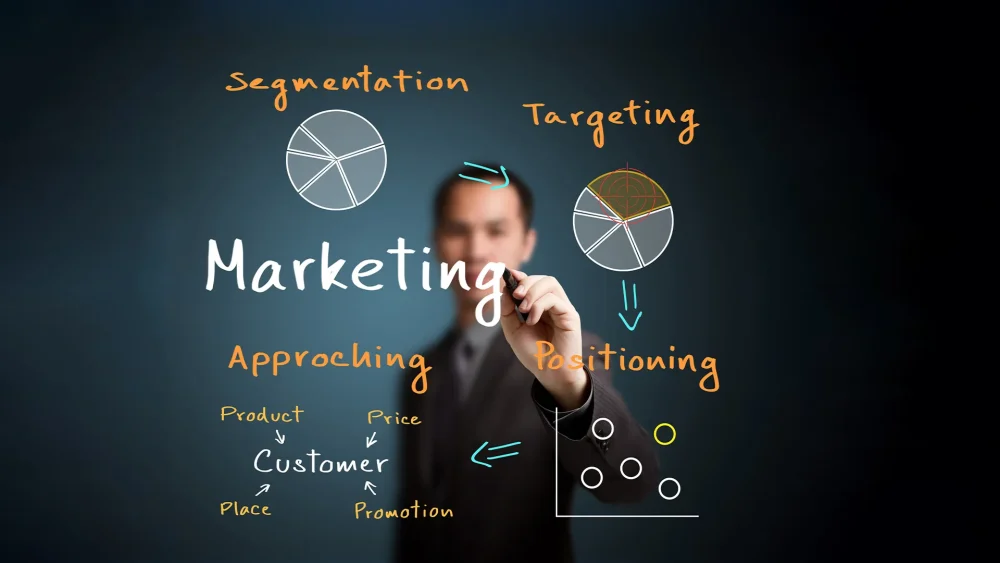
Introduction: Defining Marketing in a Modern Context
Marketing is often misunderstood as a mere extension of sales, yet its essence runs much deeper. It is the art and science of connecting products or services with people in meaningful, memorable ways. At its core, marketing is about value creation—not just for businesses, but for customers. It involves understanding human needs, crafting compelling narratives, and delivering experiences that resonate on both rational and emotional levels. In an era defined by information overload and dwindling attention spans, the role of marketing has grown not only in complexity but in significance.
The Core Purpose of Marketing
While sales focus on the transaction, marketing centers on the relationship. It aims to build awareness, nurture interest, foster trust, and ultimately, guide the consumer toward a decision that benefits both parties. Great marketing doesn’t feel like selling—it feels like discovery.
Key objectives include:
-
Understanding the Market: Identifying needs, preferences, and behavioral patterns
-
Creating Demand: Generating interest and desire for a product or service
-
Building Brand Equity: Cultivating recognition, trust, and loyalty
-
Enhancing Customer Experience: Ensuring every touchpoint adds value and relevance
-
Driving Sustainable Growth: Supporting long-term profitability through strategic positioning
The Evolution of Marketing: From Mass to Precision
Marketing has undergone a remarkable evolution. The 20th century saw the rise of mass marketing—radio jingles, television ads, and newspaper spreads aimed at the widest possible audience. While these methods delivered reach, they often lacked relevance.
With the digital revolution came precision. Today’s marketing landscape is powered by data, algorithms, and real-time analytics. Marketers can now deliver hyper-personalized messages tailored to individual preferences, behaviors, and browsing histories. This shift from broad to bespoke has redefined how brands engage with their audiences.
The Marketing Mix: The Classic Framework Reimagined
The foundational model of marketing—the 4Ps—remains relevant but has evolved with time:
-
Product: The offering must solve a real problem or fulfill a genuine need. In modern marketing, even services and ideas are considered “products.”
-
Price: No longer just a number, pricing strategies now reflect perceived value, competition, and consumer psychology.
-
Place: Digital platforms have expanded the definition of “place” from shelves to screens. Omnichannel access is the new norm.
-
Promotion: Includes advertising, PR, social media, influencer partnerships, and content marketing. Today, promotion is as much about storytelling as visibility.
Some modern versions add three more Ps—People, Process, and Physical Evidence—especially in service industries where customer interaction is key.
Modern Marketing Channels: Where Brands Meet People
The channels available to marketers today are vast and varied. The challenge lies in selecting the right mix and maintaining coherence across all touchpoints.
Popular channels include:
-
Social Media Marketing: Platforms like Instagram, LinkedIn, and TikTok offer dynamic spaces for engagement and brand personality
-
Search Engine Marketing (SEM): Paid ads on platforms like Google allow businesses to appear at the top of search results when users show intent
-
Email Marketing: A cost-effective channel for nurturing leads and maintaining customer relationships
-
Content Marketing: Blogs, videos, podcasts, and infographics educate and entertain while subtly promoting value
-
Influencer Marketing: Leveraging personalities who align with a brand’s values to reach niche audiences
-
Affiliate and Referral Programs: Encouraging users to advocate for the brand in exchange for incentives
Each channel requires its own strategy, yet together they must tell a unified story.
The Psychology Behind Marketing Success
Understanding human behavior is central to effective marketing. Successful campaigns often tap into deep emotional and cognitive triggers:
-
The Power of Emotion: People may justify purchases logically, but they make them emotionally
-
Social Proof: Reviews, testimonials, and user-generated content build trust and credibility
-
Fear of Missing Out (FOMO): Limited-time offers or exclusive deals encourage quicker decision-making
-
Reciprocity: Free trials, helpful content, or samples can inspire consumers to return the favor
-
Anchoring: Presenting a high reference point can make other options seem more affordable or appealing
These insights help marketers craft experiences that resonate with the subconscious as much as the rational mind.
Ethical Marketing: Building Trust in a Skeptical Age
With increasing access to information, today’s consumers are more informed, critical, and value-driven than ever before. This demands a shift toward transparency, responsibility, and authenticity in marketing.
Principles of ethical marketing include:
-
Honesty: Avoid exaggerated claims and deceptive messaging
-
Inclusivity: Represent diverse communities respectfully and authentically
-
Sustainability: Embrace environmentally conscious practices and communicate them sincerely
-
Privacy: Respect consumer data and ensure compliance with regulations like GDPR
Ethical marketing not only protects a brand’s reputation but builds genuine loyalty in the long run.
Challenges Facing Modern Marketers
While technology has expanded possibilities, it has also introduced complexities:
-
Information Overload: Consumers are bombarded with content, making it difficult for brands to stand out
-
Short Attention Spans: Messaging must be succinct, compelling, and immediately engaging
-
Ad Fatigue and Resistance: Overexposure to ads has made audiences more skeptical and selective
-
Algorithm Dependency: Platforms like Google and Meta control reach through ever-changing algorithms
-
Cross-Channel Consistency: Maintaining brand voice and quality across numerous platforms requires coordination and discipline
To remain effective, marketers must continuously adapt, test, and refine their approach.
The Future of Marketing: Intelligent, Immersive, and Human-Centric
Looking ahead, marketing will increasingly blend data-driven precision with emotional intelligence. Emerging technologies will play a pivotal role in reshaping strategy:
-
Artificial Intelligence: For automation, predictive analytics, and personalization at scale
-
Voice and Visual Search: Changing how people discover products and content
-
Augmented and Virtual Reality: Offering immersive brand experiences
-
Interactive Content: Quizzes, polls, and live video will drive deeper engagement
-
Purpose-Driven Branding: Companies with a clear social mission will enjoy stronger consumer alignment
The future of marketing is not just about delivering messages—it’s about designing meaningful, frictionless interactions that respect the customer’s time and intelligence.
Conclusion: Marketing as a Craft of Connection
At its best, marketing is not manipulation—it is a bridge between human needs and creative solutions. It is the craft of listening before speaking, of understanding before persuading. It requires both analytical rigor and artistic sensibility, both discipline and empathy.
In a world of fleeting impressions and endless options, great marketing endures by touching the human spirit. It transcends features and functions, weaving itself into the stories we tell ourselves about who we are and what we value.