
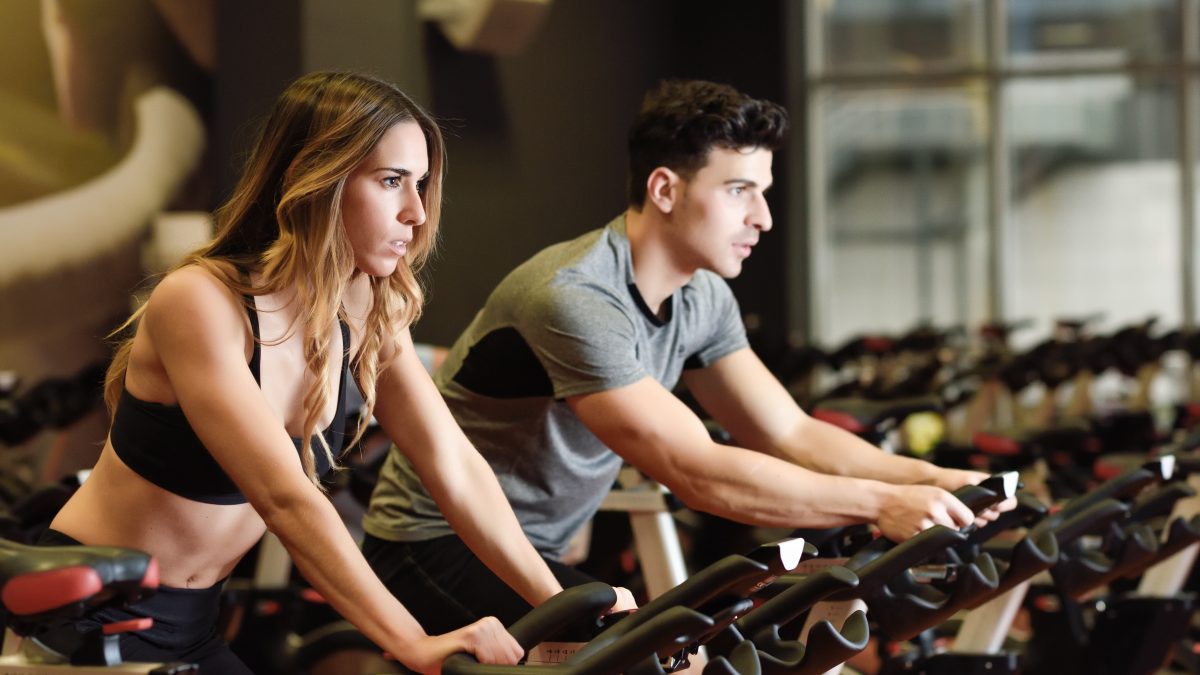
The conversation around employee wellbeing in Singapore has shifted considerably in recent years. What was once a peripheral HR benefit, perhaps a discounted gym membership buried in an employee handbook, has moved to the centre of strategic workforce planning. Companies across Singapore’s financial, technology, and professional services sectors are now investing seriously in structured wellness programmes, and group fitness, particularly spinning, is emerging as one of the most effective anchors for these initiatives.
This is not simply a trend. The business case for corporate fitness investment is supported by a growing body of research, and the specific characteristics of spinning classes make them unusually well-suited to a workplace wellness context. Understanding why requires looking at both the health outcomes that spinning produces and the social dynamics that make it particularly effective when adopted by groups of colleagues.
The State of Employee Health in Singapore’s Workforce
Singapore’s workforce faces a distinctive set of health pressures. The country consistently ranks among the world’s most overworked populations, with long hours, high-pressure performance cultures, and demanding commutes being common across many industries. The Ministry of Health has identified hypertension, diabetes, and mental health conditions as priority concerns among Singapore’s working-age adults, all of which are directly influenced by physical activity levels and stress management.
Sedentary behaviour is a particular problem. The majority of desk-based workers in Singapore spend the bulk of their waking hours seated, at a workstation, in meetings, or during their commute. This extended sedentary time is associated with increased risk of cardiovascular disease, metabolic dysfunction, musculoskeletal problems, and mental health deterioration, independent of other lifestyle factors.
The cost of this to employers is measurable. Absenteeism, presenteeism (working while unwell and therefore unproductive), staff turnover driven by burnout, and rising group health insurance premiums are all direct financial consequences of a workforce that is not supported in maintaining physical and mental health.
Why Group Fitness Works in a Corporate Context
Individual fitness habits are notoriously difficult to maintain. Research on behaviour change consistently shows that social accountability is one of the strongest predictors of exercise adherence. When employees exercise together, they are significantly more likely to show up consistently, push harder during sessions, and sustain the habit over time compared to solo gym visits.
Spinning is particularly effective in this regard because the class format creates shared experience in a visceral, memorable way. There is something distinctly bonding about cycling through a challenging hill climb alongside a colleague, both of you breathless and sweating, driven by the same music and the same instructor’s voice. This kind of shared physical challenge builds a type of rapport that is difficult to replicate in a team-building workshop or corporate retreat.
The group energy of a spinning class also produces better physiological outcomes than individual exercise. Studies have found that people who exercise in synchrony with others exert more effort and report higher pain tolerance compared to solo exercisers. The music, the collective rhythm, and the social pressure all contribute to participants pushing harder than they would on their own, which translates into better fitness outcomes and stronger wellness programme returns.
The Business Case: What the Research Says
Companies that invest meaningfully in employee wellness programmes report a range of measurable business benefits. Return on investment analyses consistently show that every dollar invested in employee wellness programmes generates savings in reduced absenteeism, lower healthcare costs, and improved productivity that significantly exceed the initial outlay.
Reduced absenteeism is one of the most straightforward metrics. Employees who exercise regularly take fewer sick days. Cardiovascular exercise like spinning directly reduces the risk of the conditions most responsible for workplace absenteeism in Singapore, including hypertension, type 2 diabetes, and stress-related illness.
Presenteeism is harder to measure but arguably more significant financially. Employees who are physically inactive and managing chronic stress or health conditions are present at their desks but operating at a fraction of their productive capacity. Regular exercise improves cognitive function, concentration, working memory, and decision-making, all of which translate directly into higher quality output. A team that spins together twice a week is likely to be a meaningfully sharper, more focused, and more resilient team.
Staff retention is a third dimension of the business case that is increasingly important in Singapore’s competitive talent market. Competitive salary alone is no longer sufficient to retain high-performing employees, particularly among younger workers who place significant weight on employer culture, values, and investment in their wellbeing. A corporate wellness programme that includes quality group fitness experiences is a tangible signal that the company takes its people seriously.
How Corporate Spinning Programmes Are Structured
The practical implementation of spinning as a corporate wellness benefit takes several forms. Some companies arrange for employees to attend group spinning classes at a gym facility during work hours or immediately before or after the working day. This can be structured as a subsidised or fully funded membership benefit, with employees free to attend scheduled classes independently.
More structured programmes involve block bookings of dedicated class slots for a company’s team, creating a regular shared fitness appointment that becomes part of the workplace routine. This approach tends to produce higher participation rates because the social commitment is more explicit and the scheduling is coordinated around work commitments.
Some organisations integrate spinning into broader wellness challenges, tracking class attendance alongside step counts, sleep quality metrics, and nutritional goals as part of a holistic wellness competition or incentive programme. Digital platforms that aggregate wellness data make it easier to structure these programmes in ways that are engaging without being intrusive.
What HR Managers Should Look for in a Fitness Partner
Selecting the right fitness facility for a corporate wellness partnership requires looking beyond proximity and price. The quality and consistency of instructors is paramount. In a corporate context, instructors need to be able to engage and motivate a diverse group of participants, from seasoned athletes to colleagues who have not exercised in years, all within the same class. The ability to scale intensity guidance without making any participant feel excluded or left behind is a skill that distinguishes excellent instructors from average ones.
Flexible scheduling is also a practical necessity. Corporate participants are subject to meeting schedules, project deadlines, and travel commitments that make rigid class timetables impractical. A good fitness partner will offer enough class times throughout the week to accommodate the varied schedules of a working team.
The studio environment matters too. Cleanliness, equipment quality, and the overall atmosphere of the facility reflect on the corporate partner and influence whether employees feel the benefit is worth using. True Fitness Singapore maintains a professional, well-equipped environment across its club locations, which is a meaningful consideration for corporate accounts where the employee experience is directly linked to participation rates.
Spinning as a Leadership Tool
An underappreciated dimension of corporate fitness is the opportunity it creates for leadership visibility and culture-building. When senior leaders attend the same spinning class as their teams, something shifts. The shared vulnerability of a genuinely challenging workout, the equalising effect of everyone being equally breathless, and the absence of hierarchy in a fitness class all create conditions for more human, authentic connection between leaders and their teams.
Leaders who participate in wellness programmes signal that health is a genuine organisational value rather than a HR box to tick. This behavioural modelling is more powerful than any written policy in shaping a culture where employees feel both permitted and encouraged to prioritise their physical and mental health.
FAQ
Q. How much does a corporate spinning wellness programme typically cost in Singapore? A. Costs vary depending on the structure chosen, whether it is subsidised individual memberships, dedicated class bookings, or a fully managed wellness programme. Many gyms offer corporate rates that provide meaningful discounts compared to individual memberships. Some companies also benefit from tax deductibility of wellness-related employee benefits under Singapore’s tax framework. Speaking directly with the corporate accounts team at a gym is the best starting point for getting a clear cost picture.
Q. What if some employees have health conditions that prevent them from doing high-intensity spinning? A. A well-structured corporate wellness programme should offer a range of activity options, not just spinning. Spinning is adaptable to different fitness levels within a single class, meaning employees can participate at lower intensity even if they cannot sustain high-effort intervals. For employees with significant health conditions, medical clearance from a doctor before participation is advisable, and offering alternative lower-intensity options ensures no one is excluded from the programme.
Q. How do we encourage employees who are reluctant to exercise in front of colleagues? A. This is a common concern, particularly in cultures where vulnerability or perceived physical inadequacy carries social risk. Framing the programme around participation and team experience rather than performance, ensuring that instructors set an inclusive tone from the first session, and having senior leaders attend early to model the culture all help reduce initial resistance. Buddy systems, where willing participants invite and accompany a colleague to their first class, are also effective in lowering the social barrier to entry.
Q. How frequently should corporate spinning sessions run to produce meaningful health outcomes for employees? A. Two sessions per week is generally considered the minimum frequency to produce meaningful cardiovascular and metabolic benefits. Three sessions per week is optimal for most participants. From a corporate logistics standpoint, making two scheduled sessions per week available and accessible is a realistic and effective target for most organisations.
Q. Can spinning be counted as part of an employee’s health screening or insurance benefits? A. Some health insurance providers and corporate health management platforms in Singapore do track exercise participation as part of wellness incentive programmes, offering premium discounts or reward points for demonstrable physical activity. Whether spinning classes specifically qualify depends on the insurer and the tracking mechanism used. HR managers should check with their insurer about what physical activity data is accepted and how it can be recorded.